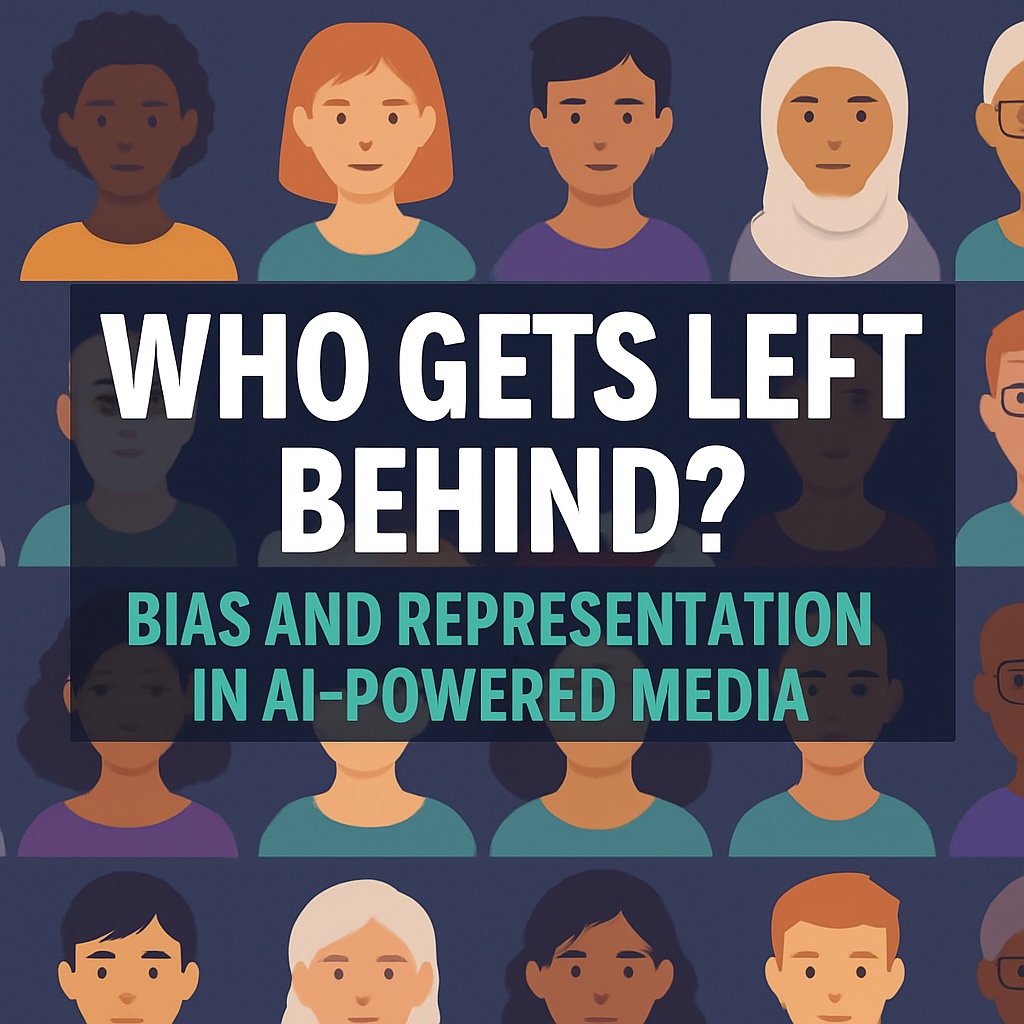
Bias and Representation in AI-Powered Media
Artificial Intelligence is transforming the media and communications landscape—from how press releases are written to how marketing content is targeted. But as we celebrate these advances, it’s equally important to ask: Who is being excluded, misrepresented, or harmed by the AI systems behind our media tools?
As future PR and media professionals, we must examine how bias enters the equation—and what we can do about it.
📌 The Problem: Biased Data = Biased Output
AI tools learn by analyzing massive datasets—news articles, books, social media, and even historical ads. But as multiple researchers have shown, these sources often contain built-in social biases—including racism, sexism, and ableism.
According to a landmark study by MIT and Stanford researchers, facial recognition algorithms were less than 35% accurate when identifying darker-skinned women, compared to over 99% for lighter-skinned men (Gender Shades Study). These systems weren’t deliberately designed to discriminate—but their training data skewed heavily white and male.
The result? People from marginalized communities are more likely to be misidentified, misrepresented, or excluded altogether from AI-powered visual and language tools.
🎙️ What This Means for PR and Media
AI-driven tools like ChatGPT, DALL·E, and predictive analytics software are increasingly used in:
- Press release writing
- Media pitching
- Visual content creation
- Campaign targeting
But if these tools are trained on biased data, they may:
- Reinforce stereotypes in written or visual outputs
- Exclude diverse audiences from campaign targeting
- Misinterpret tone or language in multicultural contexts
🛠️ What Can We Do About It?
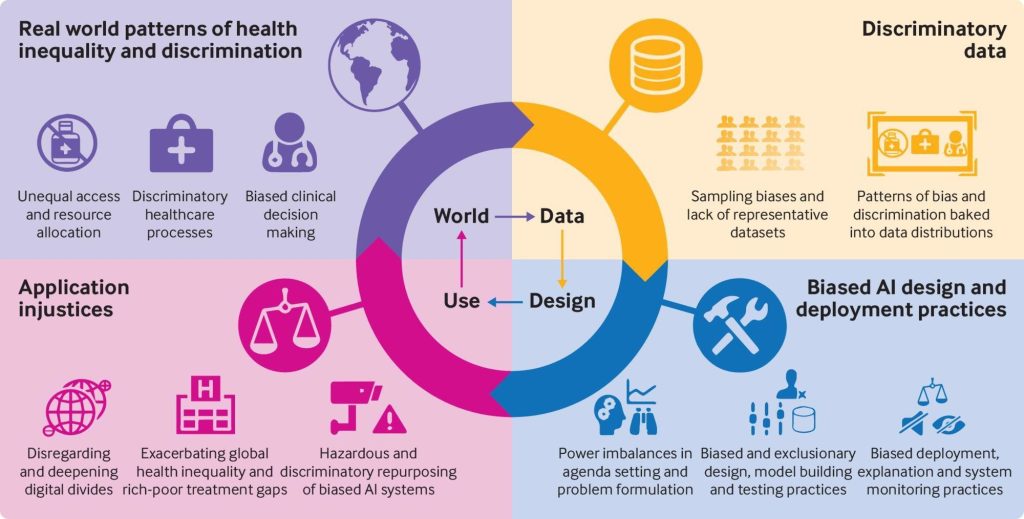
Here are steps communicators can take to use AI responsibly and inclusively:
1. Audit Your AI Tools
Check what datasets your tools are using. If it’s not transparent, ask questions. Push for tools that are trained on diverse, representative data.
2. Don’t Automate Without Oversight
Human judgment is still essential. Always review AI-generated content for bias, misrepresentation, or tone-deaf phrasing—especially when representing underrepresented communities.
3. Use Inclusive Design Standards
Tools like Microsoft’s Inclusive Design Toolkit and OpenAI’s own bias mitigation strategies can guide content creators in producing more equitable work.
4. Promote Algorithmic Transparency
Support policies and practices that require AI platforms to disclose how decisions are made—whether in media coverage, hiring, or content distribution.
💡 Looking Forward: AI as a Force for Equity?
It’s not all bad news. AI can also help highlight bias and create space for voices that were historically ignored. Tools like Perspective API aim to reduce toxic comments in online spaces. Other platforms are now developing models specifically trained on inclusive datasets.
Still, the progress will depend on how we design, question, and use these systems. As communicators, we have an ethical responsibility not just to use AI—but to challenge it when it falls short.
📣 Final Thoughts
Bias in AI is a reflection of societal inequalities. And in the world of media and communications, those inequalities can get amplified at scale.
Let’s be the generation of PR and media leaders who don’t just adopt AI—but shape it to be more just, inclusive, and human.
📚 Sources & Further Reading:
- Gender Shades: MIT Study on Facial Recognition Bias
- OpenAI’s approach to reducing bias
- Microsoft Inclusive Design Toolkit
- Harvard Business Review: AI and Diversity
 AI and Communications